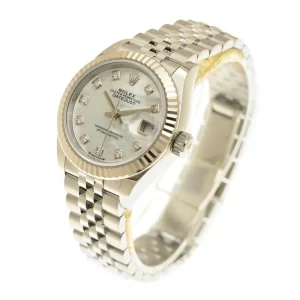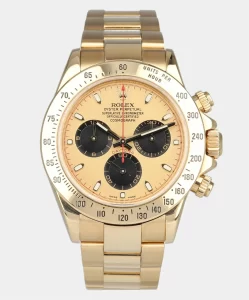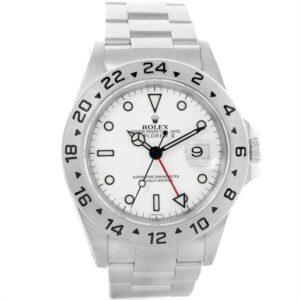
The world of haute horology held its breath as Roger Federer, Rolex’s quintessential ambassador, was recently photographed wearing an unfamiliar watch. While the tennis legend is synonymous with the Crown, this watch defied identification within the current catalogue. The mystery has now been solved at: Federer previewed the groundbreaking Rolex Land-Dweller, the marque’s first entirely new sport model in over a decade. 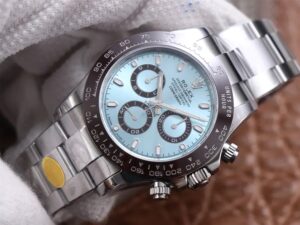
A Terrestrial Titan Emerges
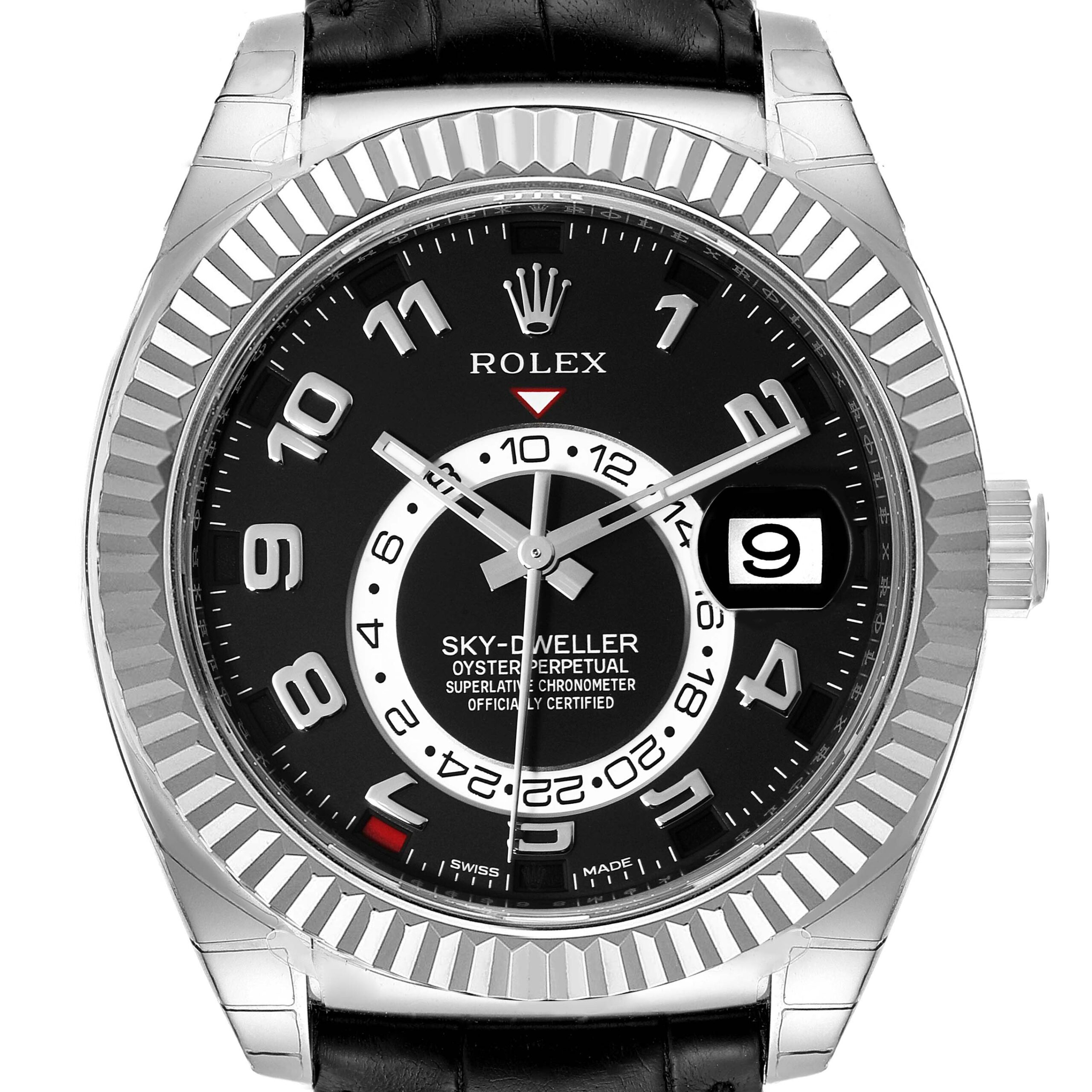
Rolex seldom disrupts its lineage with wholly novel collections. The 2025 dress-focused 1908 essentially succeeded the discontinued Cellini. The last true innovation arrived in 2012 with the Sky-Dweller. The Land-Dweller, therefore, represents a seismic shift from this traditionally conservative brand, finally offering a dedicated instrument for the earthbound.
This isn’t merely a new case shape. The Land-Dweller introduces profound mechanical innovation. Its heart is Rolex’s inaugural “high frequency” movement, Calibre 7135, promising superior accuracy across the entire collection. This ultra-thin powerhouse incorporates the revolutionary “Dynapulse” escapement, engineered for enhanced precision and long-term durability.
Aesthetically, the Land-Dweller signals a bold departure. Rolex, renowned for unwavering adherence to established design codes, reimagined its iconic 80-year-old Jubilee bracelet. The result is the “Flat Jubilee” – a dramatically slimmed profile achieved through compression, allowing the bracelet to integrate flawlessly into the case. This case itself evokes the angular, integrated-bracelet silhouette of the discontinued Oysterquartz (1977-2003), a design echoing the legendary Gérald Genta. Genta’s influence, seen in icons like the Patek Philippe Nautilus and Audemars Piguet Royal Oak, is experiencing a powerful revival across the industry. With the Land-Dweller, Rolex decisively joins this movement.
Completing the “Dweller” trilogy alongside the Sea-Dweller and Sky-Dweller, Rolex describes the Land-Dweller as designed for “well-grounded men and women who build their own destinies.” Offered in platinum, rose gold, and “white Rolesor” (steel and white gold), each variant features a distinctive honeycomb dial motif. Sizes span 36mm and 40mm, with pricing ranging from 13,300 Swiss francs for the smaller white Rolesor to 111,500 Swiss francs for the platinum model.
Vibrant New Iterations for Enduring Icons
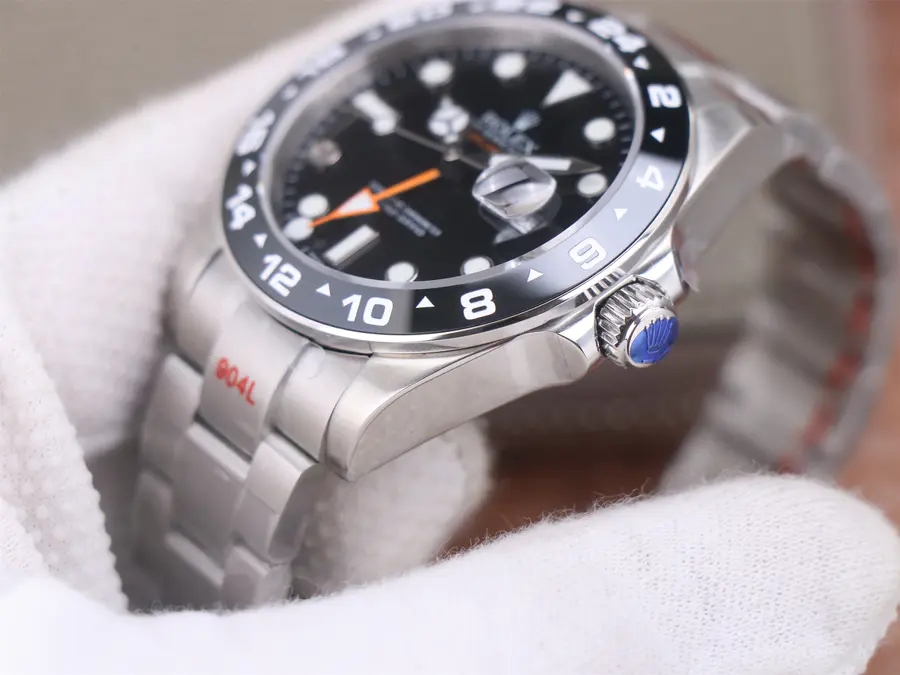
GMT-Master II 70th Anniversary: Celebrating seven decades, the GMT-Master receives two striking updates. The first reinterprets the 2025 “Sprite” (green and black bezel) in luxurious white gold, featuring a vibrant green dial – a first for a white gold GMT with a ceramic bezel. The second, a personal highlight, revitalizes the “Root Beer” aesthetic with a captivating black-and-brown bezel and a dial crafted from “tiger iron,” a natural composite of tiger’s eye, red jasper, and hematite. This embrace of stone dials signifies Rolex’s subtle awareness of contemporary trends. 
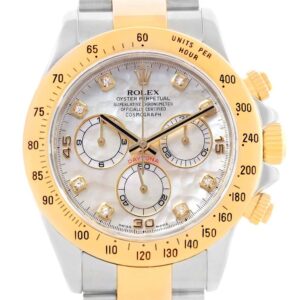
Daytona’s Captivating Hue: Building on coveted recent releases, Rolex unveils a Daytona with a resplendent turquoise blue lacquer dial. Distinct from the cooler “ice blue” of platinum models, this vivid shade evokes the iconic hue famously associated with Tiffany & Co., previously seen on a highly sought-after 2020 Oyster Perpetual. Sister brand Tudor’s recent “Flamingo Blue” Black Bay Chrono further underscores the appeal of this arresting color.
1908’s Golden Embrace: The elegant 1908 dress watch receives a transformative upgrade: the entirely new “Settimo” bracelet. Comprising seven intricate, high-polish gold links, this design pays homage to the jewellery-inspired bracelets found on vintage dress watches, elevating the 1908 significantly beyond its previous leather-strap iterations.
Oyster Perpetual’s Pastel Palette: Rolex continues its playful exploration of dial colors within the Oyster Perpetual line. Eschewing the boldness of last year’s “Celebration” motif, 2025 introduces three delectable pastel options: delicate lavender (28mm), soft beige (36mm), and refreshing pistachio (41mm), offering sophisticated charm.
Sky-Dweller’s Golden Celebration: Not to be outdone, the Sky-Dweller joins the festivities with a striking new rendition: a rich green dial housed within a warm yellow gold case. This potent color combination previously propelled a specific yellow gold Daytona (dubbed the “John Mayer”) to iconic status, suggesting a similarly desirable future for this sophisticated traveler’s clone watch.
Rolex’s 2025 collection transcends mere updates: it heralds a significant moment of innovation with the Land-Dweller while demonstrating masterful reinterpretation of its most beloved pillars, blending technical prowess with a renewed sense of aesthetic adventure.