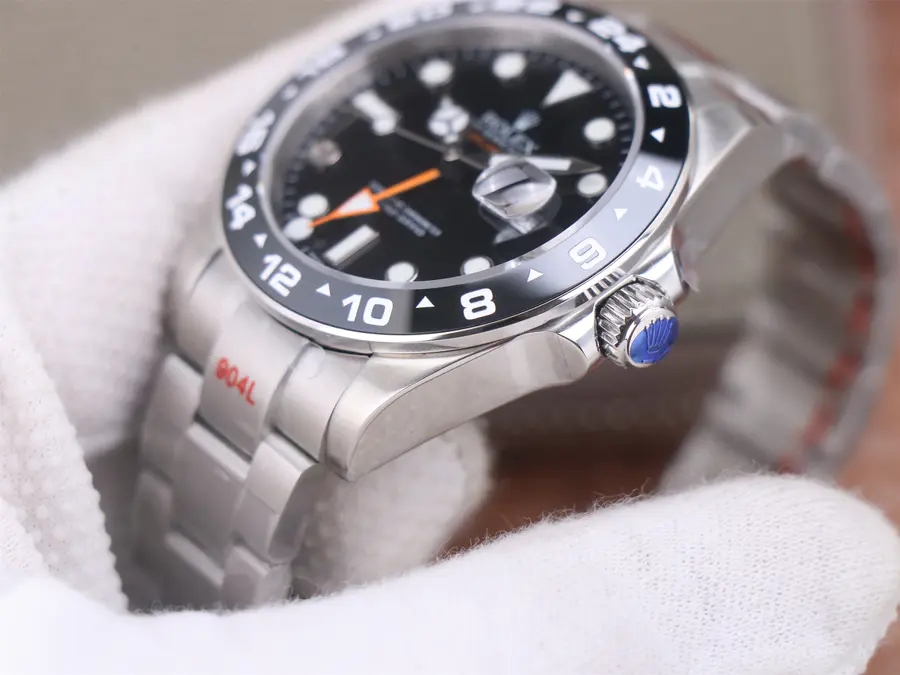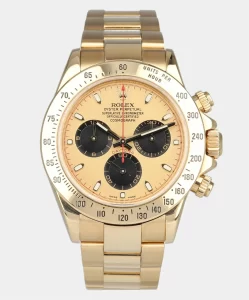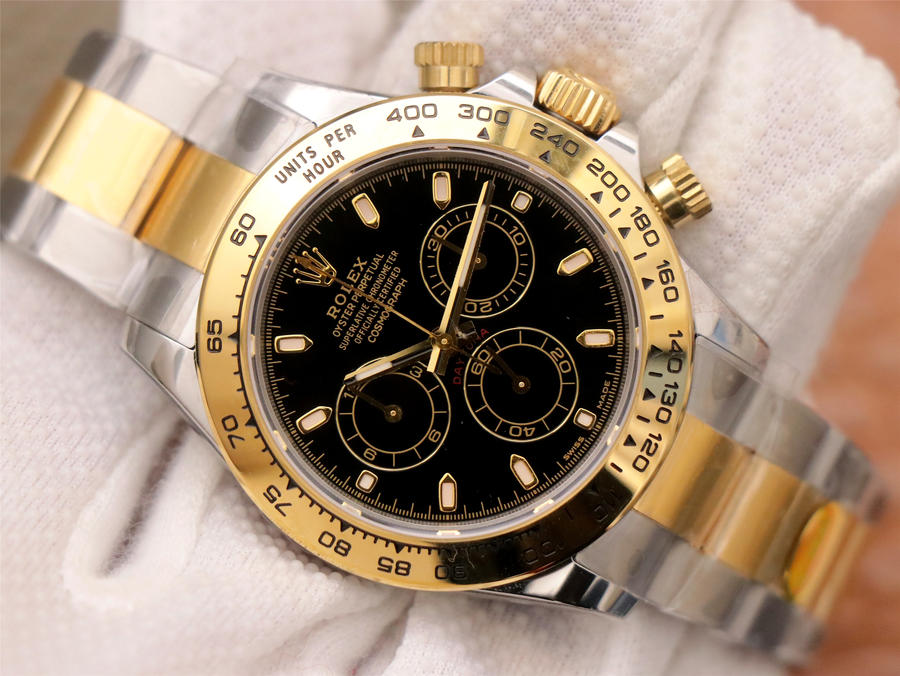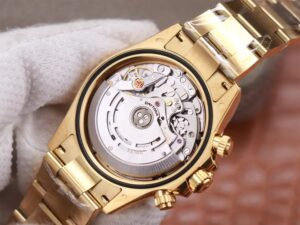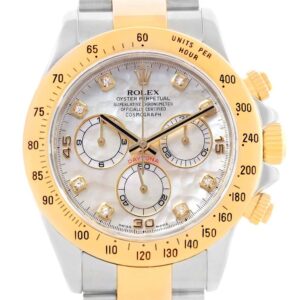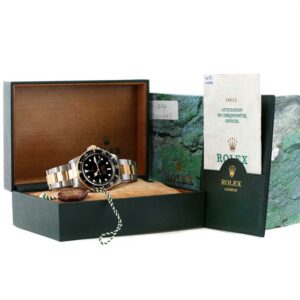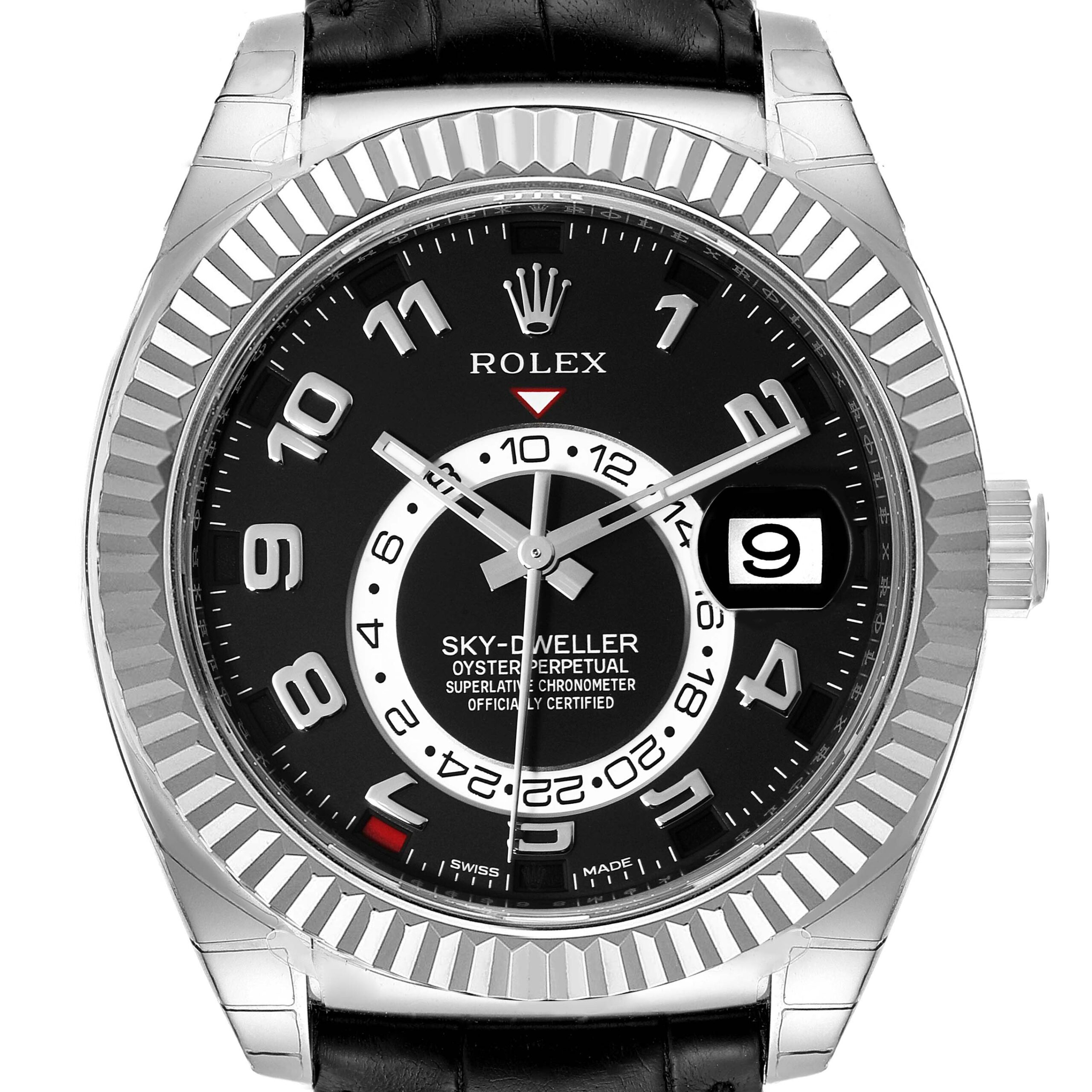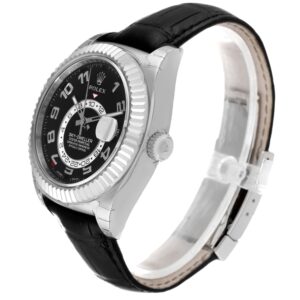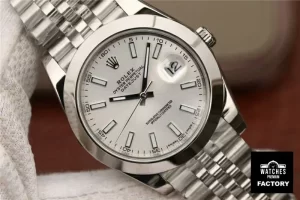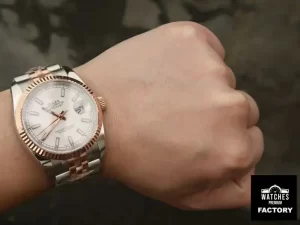
The sunlit lawns of the All England Club have long been a stage for both tennis mastery and subtle wristwatch theater. This year’s Wimbledon delivered both in abundance. As Jannik Sinner lifted the Gentlemen’s Singles Trophy, his wrist carried a warm gleam – the Everose gold Rolex Cosmograph Daytona “Sundust” ref. 126515LN. Across the net, Carlos Alcaraz sported his own statement piece, the yellow gold Daytona ref. 126518LN, its turquoise blue dial catching the light like a Mediterranean sea. It was a moment that crowned not only Sinner’s first Wimbledon title but also Rolex’s continuing supremacy on the grass. 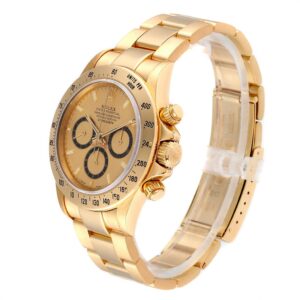
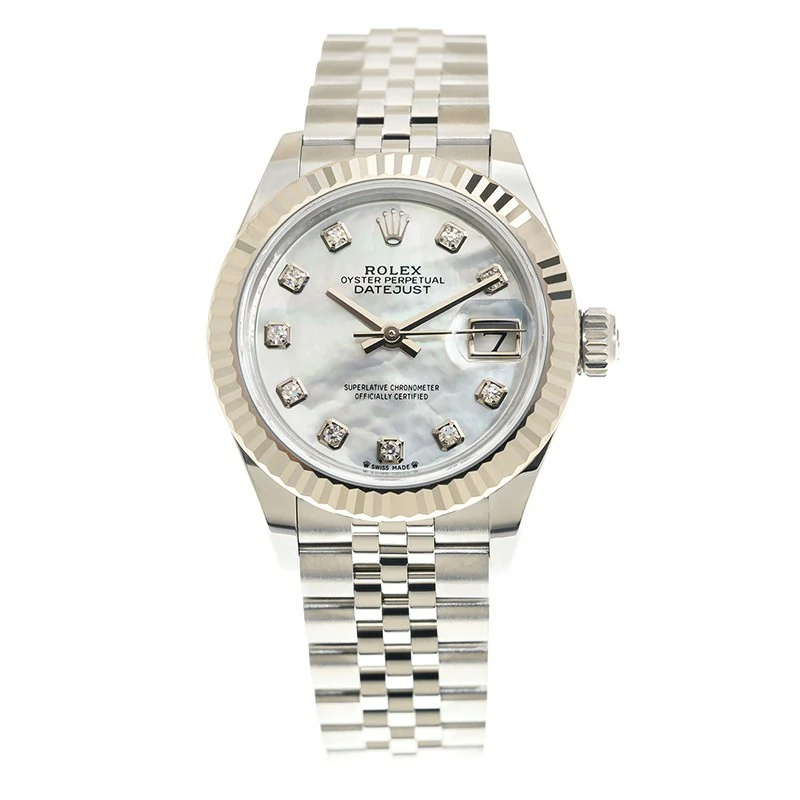
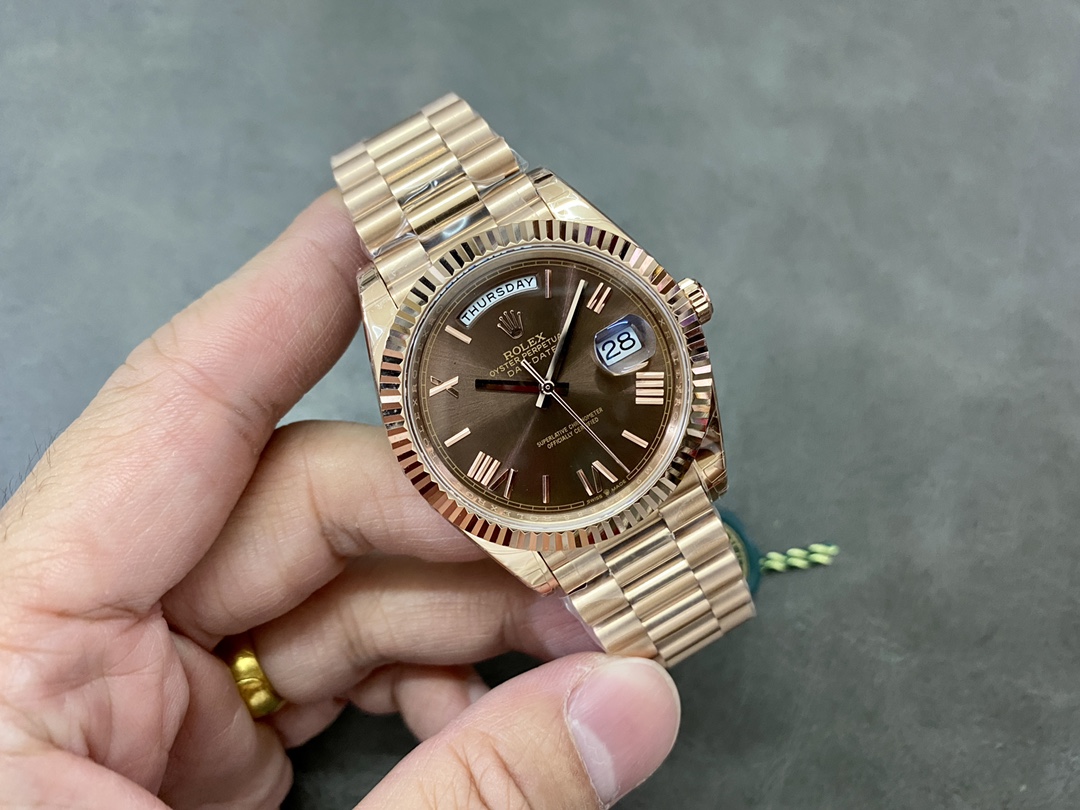
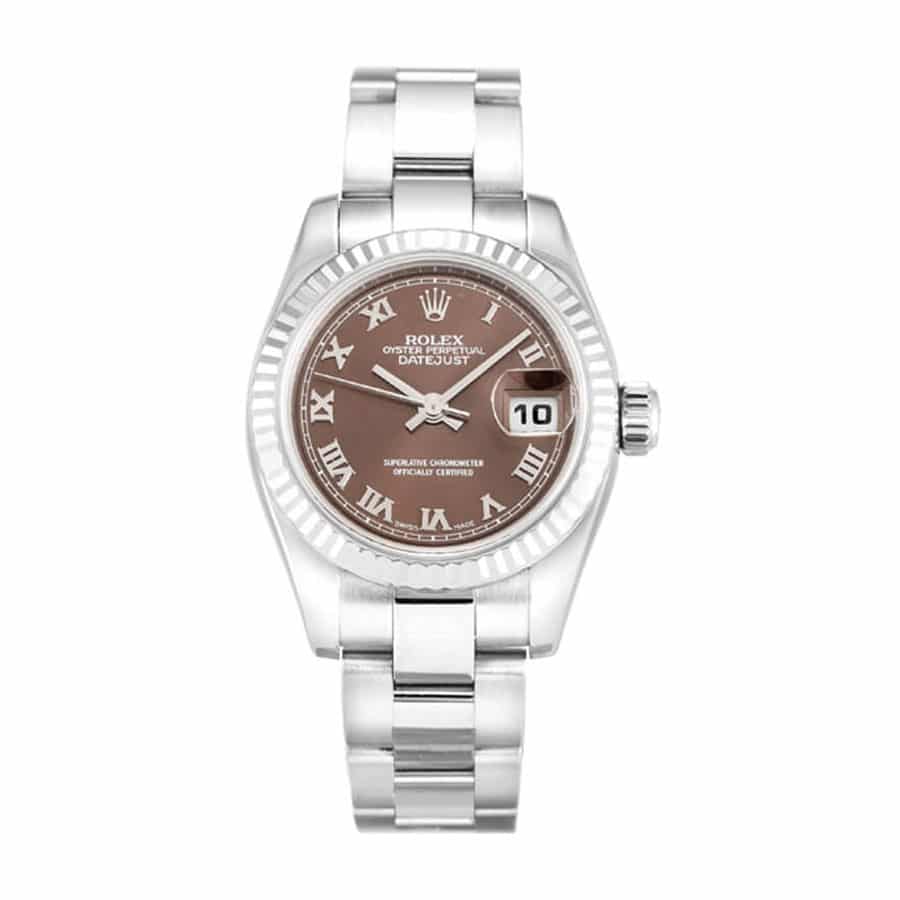
The weekend’s triumph had already been set in motion a day earlier when Polish sensation Iga Świątek claimed the Ladies’ Singles title. Her wrist was graced by the Rolex Datejust 31 ref. 278274 in steel and white gold, the chocolate-brown dial adorned with crisp Roman numerals – an elegant contrast to the ferocity of her game. The result? A “Rolex double” – both Wimbledon singles champions wearing the crown, quite literally.
A Tumultuous Opening Week
The road to these finals was anything but smooth. Wimbledon 2025 opened with a week of unprecedented upheaval – a record 23 seeded players fell in the first round, eight of them in the top 10. For Rolex, it meant early exits for ambassadors Coco Gauff, Zheng Qinwen, and Holger Rune. Other watch brands also saw their stars depart, from Jessica Pegula’s De Bethune to Alexander Zverev’s Jacob & Co.
Amid the chaos, Sinner was a steady force. His early rounds were a masterclass in control – not a single set dropped in his first three matches. But in the fourth round, drama struck. Facing Grigor Dimitrov, Sinner found himself two sets down and adrift. A surprise retirement from Dimitrov due to injury shifted the course of the tournament. Instead of Dimitrov’s Bianchet Grand Date Flying Tourbillon taking center stage, Sinner’s Daytona “Sundust” lived to see another day – much to the delight of an intrigued Roger Federer, who was watching from the Royal Box wearing his Sea-Dweller 4000.
The Rolex Semifinal Showcase
Alcaraz’s campaign began with a rugged first-round duel against Italy’s flamboyant Fabio Fognini, who would soon after announce his retirement. From there, the Spaniard found his rhythm, particularly in his fourth-round match against Andrey Rublev. His quarterfinal against fellow Rolex ambassador Taylor Fritz – who wore his signature two-tone white-dial Daytona – ensured that Luxury Rolex would be heavily represented deep into the tournament.
By the time the semifinals were set, the stage featured three Rolex athletes – Sinner, Alcaraz, and Fritz – alongside Novak Djokovic, the lone Hublot representative. It guaranteed one thing: a Daytona would be in the final.
The championship match was exactly what tennis purists craved – a rematch of their French Open duel. This time, on grass, Sinner’s resolve was unshakable. After dropping the first set to a surging Alcaraz, the Italian adjusted his game, taking control with precision groundstrokes and unerring composure. He broke Alcaraz’s serve in every set that followed, sealing victory in four sets. The celebratory ritual was unmistakable: the trophy raised high in one hand, the gleaming Everose Daytona on the other – a move Rolex enthusiasts know all too well.
Świątek’s Grass-Court Renaissance
While Sinner’s win signaled a changing of the guard in men’s tennis, Świątek’s performance was a declaration of dominance. Once considered vulnerable on grass, the Polish champion dismantled her opponents with surgical precision, dropping just one set en route to the title. That lone set loss came early, in her second-round match against American Caty McNally, but Świątek’s response was emphatic – two commanding sets to close.
In the semifinals, she faced fellow Rolex ambassador Belinda Bencic, resplendent in her Everose gold Lady-Datejust ref. 279175 on a President bracelet. Bencic’s run had been admirable, including a victory over teenage prodigy Mirra Andreeva, but Świątek was simply untouchable. 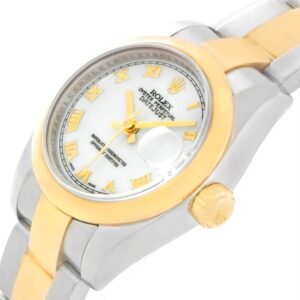
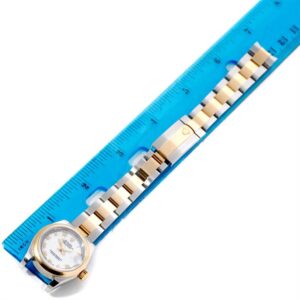
The other semifinal brought its own drama as American Amanda Anisimova stunned world No. 1 Aryna Sabalenka – an Audemars Piguet ambassador – in a grueling, near three-hour duel. But in the final, Świątek allowed no surprises. She claimed her first Wimbledon title with an elegance that mirrored her Datejust – classic, confident, and enduring.
Rolex’s Unmistakable Wimbledon Presence
Rolex’s presence at Wimbledon in 2025 was far from coincidental. From the scoreboards that frame every match to the replica watches on the wrists of champions, the brand’s dominance was omnipresent. In the players’ box, in the Royal Box, and on the lawns themselves, the crown logo seemed as intrinsic to the tournament as the grass beneath the players’ feet.
Behind the scenes, this is no accident. Arnaud Boetsch, Rolex’s Director of Communication & Image, has orchestrated the brand’s ascent in tennis for decades, crafting a partnership that blends precision, performance, and prestige. In a sport where tradition and excellence are paramount, Rolex has ensured its watches are more than just accessories – they are symbols of victory, heritage, and timeless style.